In the week marking the 8th anniversary of the Rohingya crisis, the Australian Council for International Development (ACFID) is urgently calling on the Australian Government to commit $110 million in emergency funding to address the escalating humanitarian catastrophe in Myanmar and for refugees across its borders, worsened by recent USAID funding withdrawals.
Since the Myanmar military’s violent campaign forced hundreds of thousands of Rohingya people to flee their homes, the crisis has only grown. It continues to affect not just the Rohingya, but millions of others facing conflict, displacement, and economic collapse across the country.
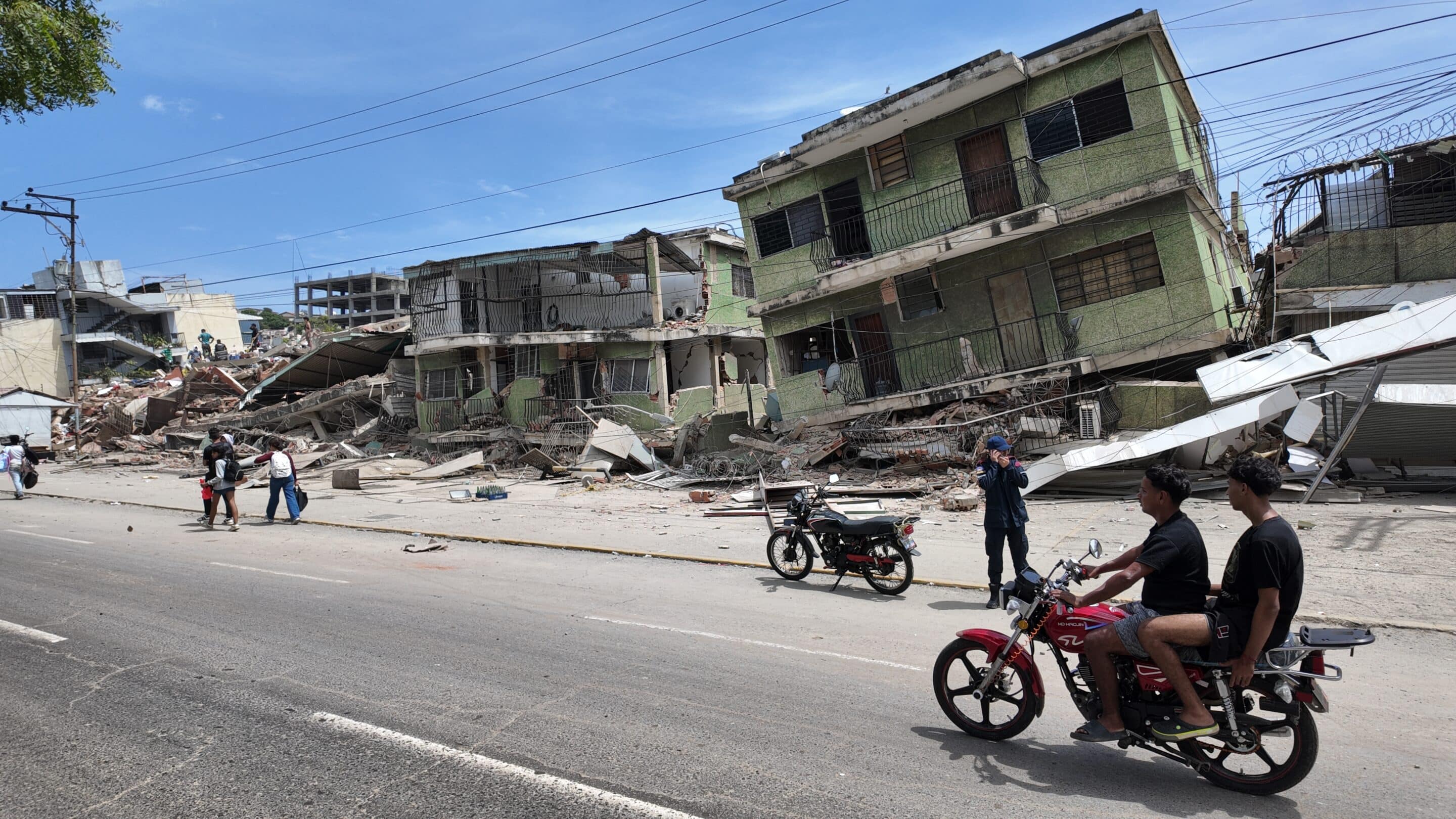
Over one-third of Myanmar’s population, 21.9 million people, need humanitarian assistance to meet their basic needs, with up to 3.5 million people internally displaced. Recent disasters, including the April earthquake, have deepened the crisis against a backdrop of protracted conflict and economic collapse.
The withdrawal of USAID and other major donors in 2025 has caused severe funding shortfalls in refugee camps, some of which are on the brink of collapse. According to Human Rights Watch, more than 100,000 refugees in Thailand alone have lost access to essential food and medical aid due to U.S. funding cuts.
In Bangladesh, there are over 1 million Rohingya refugees — the world’s largest stateless refugee population, but funding gaps from USAID withdrawal leave this program only 35% funded. Without urgent funding, access to food, healthcare and education will be lost.
ACFID calls for an emergency package to help fill immediate life-saving gaps created by USAID and other donor withdrawals, bridging the funding cliff ahead of the commencement of Australia’s third phase humanitarian package – A$370 million over 2026–28 – which is currently being designed.
This package should include:
● $45 million to bridge funding in Cox’s Bazaar for the maintenance of services
● $40 million to respond within Myanmar
● $25 million to provide food rations and cooking fuel for the 108,000 refugees on the Thai – Myanmar border through The Border Consortium
Quotes attributable to Matthew Maury, CEO at the Australian Council for International Development:
“The gaps left by USAID in and around Myanmar are life threatening. The Australian Government can save lives by stepping in to prevent a collapse of the humanitarian system.”
“The stories we are hearing from the communities who are facing food shortages are heartbreaking. Australia has an opportunity to lead on this humanitarian response by providing this immediate, short term funding injection.”
“Australia cannot be expected to fill the entire funding gap of USAID in Myanmar but as a leader in the region, it should work to encourage like-minded partners to contribute to long term solutions.”
“Australia’s Humanitarian Emergency Fund, the primary tool for responding to global crises, has not increased since 2018. With rising global needs and major donors like USAID withdrawing, this funding is no longer sufficient.”
“ACFID calls on the government to double the fund to meet the growing humanitarian demand worldwide and increase its protracted crisis fund to recognise escalated needs in already existing crises.”
Quotes attributable to Rev Tim Costello, Safer World for All spokesperson:
“The scale of suffering across Myanmar and its borders is staggering — and now, with the withdrawal of USAID, millions are being pushed beyond the brink. We are witnessing the collapse of lifelines in real time.”
“Australia has a moral and strategic obligation to act. These are our regional neighbours, and if we don’t step up with emergency funding, lives will be lost, not from violence, but from starvation, untreated illness, and neglect.”
“I was at the Thai-Myanmar Border camps in Thailand recently. These refugees are in desperate need. Families have lost access to food and medicine practically overnight. We cannot allow these communities to be abandoned.”
For more information or to arrange an interview please contact ACFID Media at [email protected] or call 0401 721 064 .
Background
August 25th marks the eight year anniversary of the Myanmar military’s violent attacks, which caused mass displacement of Rohingya communities. Eight years later, the Myanmar military regime continues to inflict terrible suffering on the people of Myanmar, including the Rohingyas. Civilians remain under constant threat from attacks by the regime and other armed groups.
The humanitarian situation in Myanmar and its neighbouring refugee-hosting countries has entered a dangerous new phase in 2025. Inside Myanmar, humanitarian access remains extremely limited in many areas, while the scale of internal displacement has grown exponentially.
In 2024, USAID spent US$240 million (A$380 million) in Myanmar, but donor withdrawal of funding has dramatically worsened conditions, creating immediate gaps. Australia remains a top donor but faces the challenge of maintaining pressure and support as global attention shifts elsewhere.
Bangladesh – Rohingya Camps (Cox’s Bazar)
● UNHCR’s US $255 million appeal for 2025 is only 35% funded.
● Health services could collapse by September, with food assistance projected to end by December unless new funding is secured, according to UNHCR.
● Education for 230,000 children is at risk of being discontinued, as reported by UNICEF in May 2025.
● In 2024, the United States funded 55 percent of the humanitarian aid provided to the Rohingya, a total of US $301 million (AUD $460 million). Thailand –
Thai–Myanmar Border Camps
● Following the USAID withdrawal, 80% of residents lost food rations on 31 July 2025; only the most vulnerable now receive a limited monthly ration according to Human Rights Watch.
● The International Rescue Committee (IRC) has shut down health clinics in seven out of nine camps due to a loss of donor funding. These clinics had been providing critical, lifesaving services such as oxygen therapy, dialysis, and maternal healthcare.