
Home 5 Our Focus 5 Achieve human rights and equity for all throughout transformative development

Achieve human rights and equity for all through transformative development 

Inclusive Development

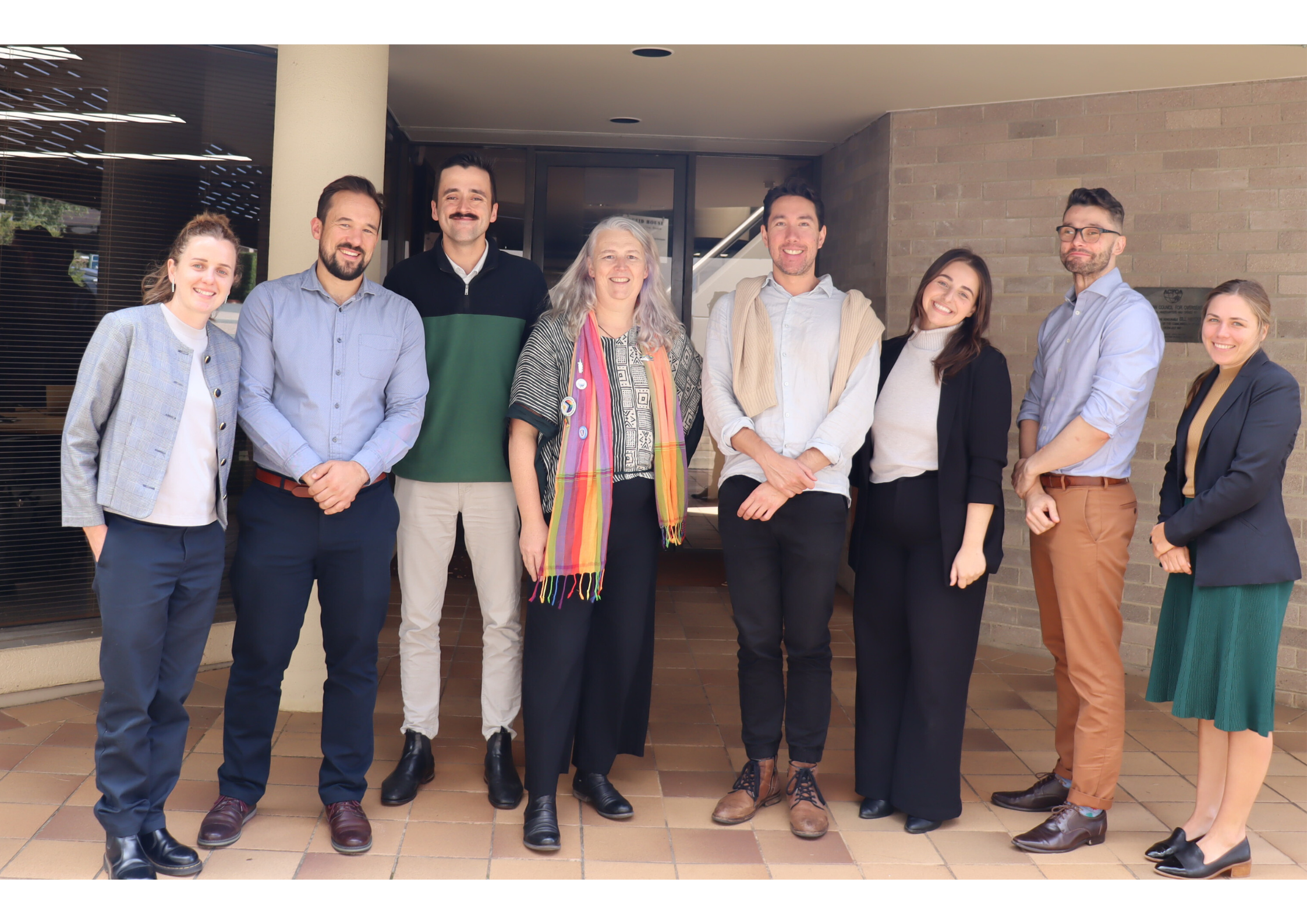
ACFID staff meeting with Equality Australia and Edge Effect at ACFID offices, 2025 

For the past eight years, Haseena has lived with constant pain and irritation in her eyes from trachoma, the world’s leading infectious cause of blindness.

Due to her condition, the 53-year-old mother of two in Pakistan’s Chitral District was left unable to work, relying on her husband’s modest wage as a labourer to support her family.

One day a Lady Health Worker visited Haseena’s village and identified her as an eligible patient for trachoma trichiasis surgery. She advised Haseena and her family to visit a nearby eye camp organised by The Fred Hollows Foundation in Chitral.

Haseena went to the camp and underwent surgery on both of her eyes, saving her sight.

After the surgery, Haseena and her family were overjoyed and expressed thanks to The Fred Hollows Foundation and its donors for providing her relief from the pain she had suffered for eight years. She was overcome with joy that she could now cook for her family again and have sound sleep, free of pain. Photo: The Fred Hollows Foundations Australia.

Australia’s international development and humanitarian programs should prioritise the fulfilment of human rights and achieve equity by addressing the underlying structural drivers of inequity to ensure transformative development outcomes for all.

In the face of a growing well-funded and coordinated global anti-rights movement, strategic and scaled-up investment to protect minority rights through Australia’s development program is needed now more than ever. This investment is necessary to prevent the continued erosion of hardwon gains. Rising authoritarianism, climate change and conflict also combine to amplify the aims of the anti-rights movement. The rights of women, girls and people with diverse sexual orientation, gender identity and expression, and sex characteristics (SOGIESC) are especially at risk, with sexual and reproductive health and rights often the first line of attack.

As we move towards 2030, the shared SDG pledge that ‘no one be left behind’ is at risk of remaining unfulfilled. Structural inequality and negative social norms contribute to the marginalisation of people with disabilities, women and girls, people with diverse SOGIESC, children and young people, First Nations peoples and those that face discrimination due to ethnicity, race, religious beliefs, displacement and cultural practices. Individuals and groups at the intersection of identities experience  compounding marginalisation.

One of the most effective ways for Australia to support movements for transformational change on minority rights and achieve development progress is by working with locally-led constituent organisations and advocates. People with lived experience are the most effective advocates for change in their contexts and mitigate against critiques that the push for equality is a ‘Western’ or colonial agenda that is being imposed.


Anti-Racism and Racial Justice

ACFID recognises that racism is harmful and has real life impacts – including excluding people of colour from power and decision making – and that meaningfully addressing diversity and inclusion often requires engaging in questions of racism.

ACFID wish to initiate a vital dialogue amongst members about representation, participation, and access to decision-making. We are open to where members may go in the future with dialogue and options to address these critical issues,
but we believe it is not an option to not to discuss these matters.

As part of our commitment to racial justice, ACFID has:


Resources

A gold icon of two people reading a book

Racial Justice Resource Library Guide

Developed in October 2022, this guide is was a collaboration between ACFID and the Racial Justice Community of Practice (RJCOP).
A gold icon of two people reading a book

Resolution 1-2022: Decolonisation, Anti-Racism and Locally Led Action

ACFID Council acknowledges the inherent power imbalances and colonial legacy of our sector.
Cover with text that reads: Decolonisation and Locally Led Development Discussion Paper

Decolonisation and Locally Led Development Paper

Support and guidance for ACFID members and their staff to get started on their decolonisation journeys.
A gold icon of a computer

Yielding & Wielding Power Toolkit

Sets out practical options for individuals and organisations to further the decolonisation and locally-led agendas.
Icon of five gold people standing in triangular formation

Resolution 1-2020: Race, Diversity and Australian INGOs

ACFID Council recognises that racism is harmful and has real life impacts.
Icon of three female shaped bodies

Gender Audit Toolkit

Structured to help you learn about gender auditing through bite-sized interactive content, templates, resources and references.

Humanitarian Action for Those in Greatest Need

Effective and inclusive Development

Supporting NGOs as Valuable Partners

Development at the Heart of Australia’s International Engagement

Preventation of Sexual Exploitation and Harrasment

Loading...